

Attention · Focus · Learning · ADD/ADHD
If these behaviors sound familiar, it may not be a lack of discipline or a lack of effort. There is probably a physical reason your child is struggling.
The factor most evaluations miss
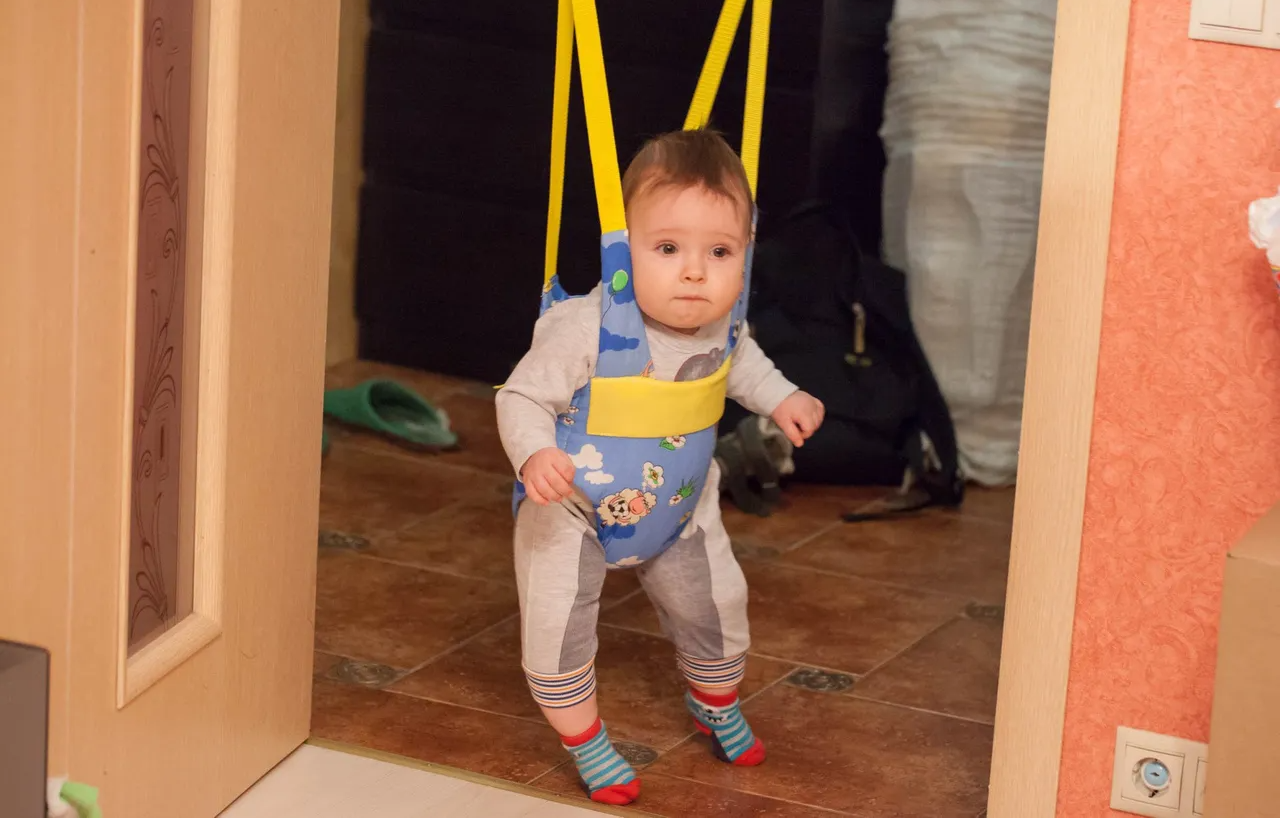
The Symmetric Tonic Neck Reflex (STNR) is a natural, automatic movement that develops in babies at about six months of age. It pulls babies up onto their hands and knees and into a crawling position - when the neck and arms straighten, the legs bend.
Enough and proper crawling help the STNR fade away naturally. When a baby does NOT get enough proper crawling, the reflex will remain active to some extent (remains immature), and will continue to influence the way the neck, arms, and legs move. This can significantly interfere with sitting still, writing, and staying focused.
It is estimated that children with an immature STNR have to work at least 10 times harder to complete normal everyday tasks.
Why crawling matters
Children who skipped crawling, or crawled only briefly, or used an unusual crawling pattern will NOT mature the reflex. At school-age, an immature STNR can show up in an awkward writing posture, tired hands, resisting homework, slouching at the desk, handwriting that doesn't reflect their true ability, or difficulty with certain athletic movements.
Discomfort, fatigue, and poor control that get worse the longer they work.
Wrapping legs around the chair, sprawling, constant repositioning, and repeatedly trying to stand up.
Trouble with movements that require the arms and legs to be either straight or bent at the same time.
A child who is concentrating on staying upright and holding a pencil correctly has very little energy left for the assignment. An STNR child works at least 10x as hard to complete what should be normal, routine tasks.
From the teacher's perspective, the child seems to be daydreaming, lazy, or a behavior problem. In fact, these children are simply extremely uncomfortable because of an immature STNR.
Stop the homework battles
If every evening turns into negotiation, avoidance, arguing, and exhaustion - for your child and for you - the problem really isn't lack of motivation.
It's the interference of an immature STNR.
Children who can do the thinking often can't sustain the physical act of writing long enough to show it.
Frequent Behaviors:
Everything you need to start at home
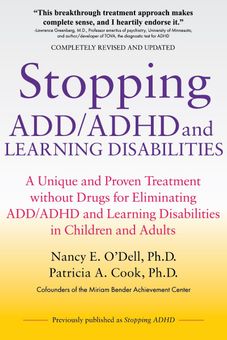
Everything you need to understand the STNR approach and begin the exercises at home. If your child has been labeled ADD/ADHD or learning disabled, this will be the most important resource you find this year: the real, physical cause explained in plain language, and a proven drug-free path to overcoming it.
Want extra support? Buyers of the program can also book live, one-on-one coaching over Zoom with Dr. O'Dell and the clinic team. Many families find that working through the exercises with a real person helps the methodology click faster. See Zoom coaching →
You will receive an email with your download link right after payment.
Worldwide
Evaluation and the exercise program are both delivered remotely. Wherever you are, you can start this week - no travel, no waiting list, and a parent stays in the room the whole time. While some families do well with the book and video on their own, a virtual clinic appointment adds a personal evaluation, a program built for your child, and most importantly, continuous followup until the child has matured the STNR.
Who We Are
The Miriam Bender Achievement Center was co-founded by Dr. Nancy E. O'Dell and the late Dr. Patricia A. Cook, both Ph.D.s who studied directly under the late Dr. Miriam Bender at Purdue University and co-authored "Stopping ADD/ADHD and Learning Disabilities." Together they worked with children and adults for more than twenty-five years, presenting their research at national and international conferences, including the First International Symposium for Special Education in Beijing, China.
Dr. O'Dell carries their work forward today, building on the research and legacy of Dr. Cook and Dr. Bender.
Co-Founder
Co-Founder, In Memoriam
Originator of the Program, In Memoriam
Sign up for a live one-on-one Zoom coaching session with Dr. O'Dell and our team, or just talk to us to learn more. We'll tell you honestly whether this is what's going on.